
 It’s been quite a while since I posted a review and Turning Points In Rock And Roll
It may sound like I’ve already dissed this book, but it’s not true. The good thing about this book is that you can take your time reading it and with my busy schedule the last month or so, this book fit right in. Written in 2004 and with 227 pages divided into 20 chapters, it’s easy to digest a chapter at a time and set it down for awhile. The book starts with “1877-1977 – Edison Invents the Phonograph: Recorded Music goes from Science Fiction to Big Business” and ends with “1995 – MP3, Napster, and the End of the World as We Know It”. In between, it covers Les Paul, Elvis, American Bandstand, Chuck Berry, Beatlemania, Monterey Pop Festival and so much more.
This book is for every rock and roll fan. And though some of the chapters sound very specific, the author leads you through how each turning point affected others and the future of rock and roll. Alan Freed, Blackboard Jungle, Transistor radios where all a part of the growth of rock and roll and Hank Bordowitz does a great job of leading the reader from the early beginnings to what we hope isn’t the end of rock and roll. And for that reason…
I rate this book, 4 out of 4 Beetles!




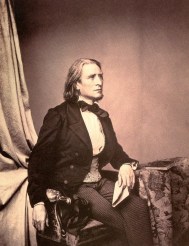


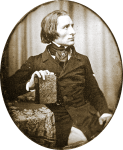 Franz Liszt was born in Hungary on October 22, 1811, a century before the Beatles were even born. By age 9, he was said to be a child prodigy. His father withdrew him from school and set out to find the best piano teachers in Europe to take his son as their student. In 1822, at 11 years old, Liszt gave his first public concert in Vienna. His performance was awarded with a kiss on the forehead by Ludwig Von Beethoven.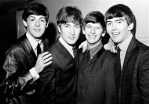
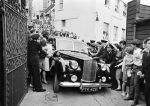

 Several months ago, I went to a lecture that compared the Beatles to classical composer




 Beatles-Freak's Reviews